
Langdon College provides an exciting and flexible programme of study for students with learning difficulties, disabilities, social anxiety or autistic spectrum disorders, who are aged between 16–24 years and who have an Education, Health and Care Plan (EHCP).
As a Jewish College we ensure our students experience a supportive, nurturing and culturally appropriate learning environment.
Our specialist team of professional teachers and support staff offer tailored education packages and programmes to meet individual needs and abilities. With a wide range of support, our students learn and gain crucial independence and life skills, while improving their confidence and making new friends.
Langdon College staff work closely with parents/carers, social workers, and other professionals to support students to achieve. Students are allocated a personal tutor who provide them with outstanding pastoral support during their time at college.
With a clear focus on the Preparation for Adulthood agenda, students are fully prepared for their next steps into adulthood, whether this is to gain employment/volunteer work, increase independence skills or gain qualifications.
Curriculum
Langdon College is committed to offering students an inclusive, multifaceted extended curriculum which provides the opportunity to Recognise and Record Progress and Achievement (RARPA) through the setting and assessment of individual targets.
Students targets are linked directly to the outcomes of the Preparation for Adulthood agenda of Employment, Independence Skills, Good Health and Friends, Relationships and Community. As well as linked to individual EHCP outcomes and aspirations.
Curriculum subjects
Langdon College is committed to offering students an inclusive, multifaceted extended curriculum which provides the opportunity to Recognise and Record Progress and Achievement (RARPA) through the setting of individual targets. These targets will be linked to Independent Living Skills, Communication and Interaction, Cognition and Learning, as well as Work Experience and Social and Leisure Skills.
The curriculum subjects cover a variety of vocational activities:
At Langdon College we use gardening as a vehicle to teach our students practical numeracy, literacy and communication skills, as well as the discipline and sense of responsibility needed in any workplace. Our students learn about recycling as well as how to tend a garden whilst growing a wide range of fruit vegetables and flowers. They get a great sense of satisfaction from completing the various projects they undertake throughout the year.
Music is a great way to develop our students’ self-confidence and give them the skills to form opinions and make decisions. Students have the opportunity to play a range of instruments as part of our College band and perform at different events throughout the year. The College is also looking at Music Therapy and how this can enhance and enrich the lives of our learners.
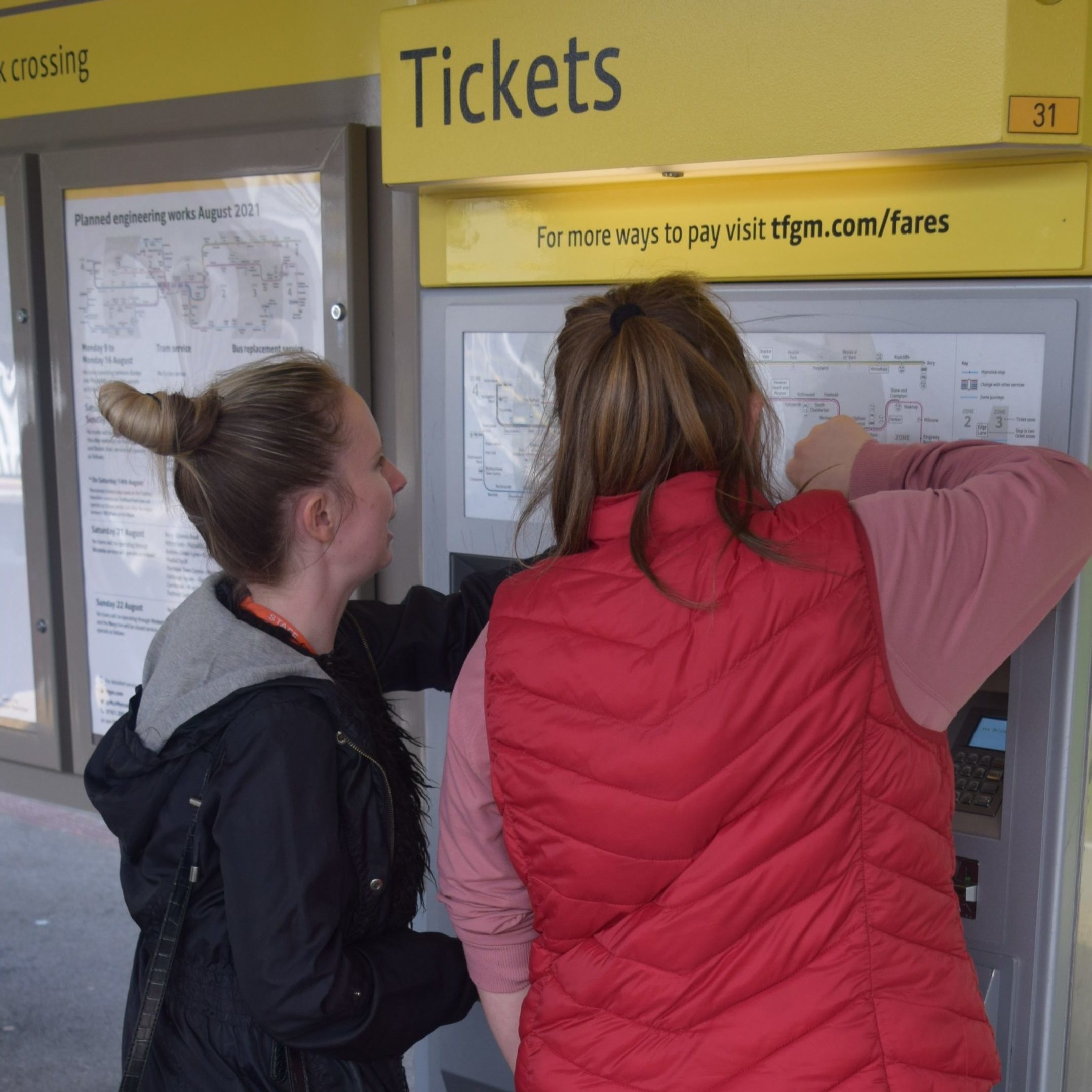
All of our students learn Independent Living Skills to empower them to become as independent as possible when in the home or participating in community activities. Students develop cooking, independent travel and domestic skills, which allow them to enjoy all that their own accommodation and the local community has to offer.
Sessions are designed to address the maths and English needs of students on learning programmes at levels from pre-entry up to and including Level 2. Each student completes a rigorous assessment process to determine the key areas for development. Practical maths and English activities are completed within real-life situations whether it be budgeting and shopping for ingredients, to interacting with the local community when out and about.
Getting out and about in the community, learning how to travel and access local amenities is one way in which students at Langdon College are encouraged to become as independent as possible. Students learn about bus routes, how to find out information, what they need when travelling, health and safety issues and venues in which to spend social time. Students’ research and experience selected routes and places of interest, such as the gym, cinema or theatre, with friends and staff.
Through the auspices of the Ian Karten Charitable Trust, the College operates a printing business centre consisting of a range of high-quality hardware, software and assistive technology, used by the students to produce a range of products for sale. Students enjoy developing a range of business operations, management and production skills, in a supported environment, where they do real work for external and internal clients.
Work experience
Work experience is an integral part of the learning process at Langdon College. Work placements are carefully selected for the individual, meeting their needs and interests, as well as matching their vocational or practical skills. During placements, students develop essential work skills such as independent travel, social interaction and communication, literacy and numeracy, along with the skills necessary to be successful in a specific occupational area. Some learners may work towards an Employability Skills qualification as part of their learning programme.

Leisure and Social Development
We want students to enjoy their time at Langdon College and as part of the course, students have the opportunity to take part in lots of trips and visits to help to develop their confidence and skills when out in the community.
Langdon College’s leisure and social development programme is an important feature of college life; developing students’ self-confidence and encouraging students to build friendships. Students are able to enjoy a variety of sporting activities including football, swimming and gym sessions.
Student Destinations
Students who are ready to leave college will progress onto the Transition Pathway. This involves spending more time accessing external provision, work placements and the local community, to prepare for the change of routine.
Students who have previously left college have secured paid employment, volunteer work, transition into support living and/or go on to complete further education and training.
During students Annual Review meetings, detailed discussions are made to ensure there is an appropriate transition in place for students as they leave.